
Protecting Water for Future Generations
NOW STOCKING
at N&S and Capitol!

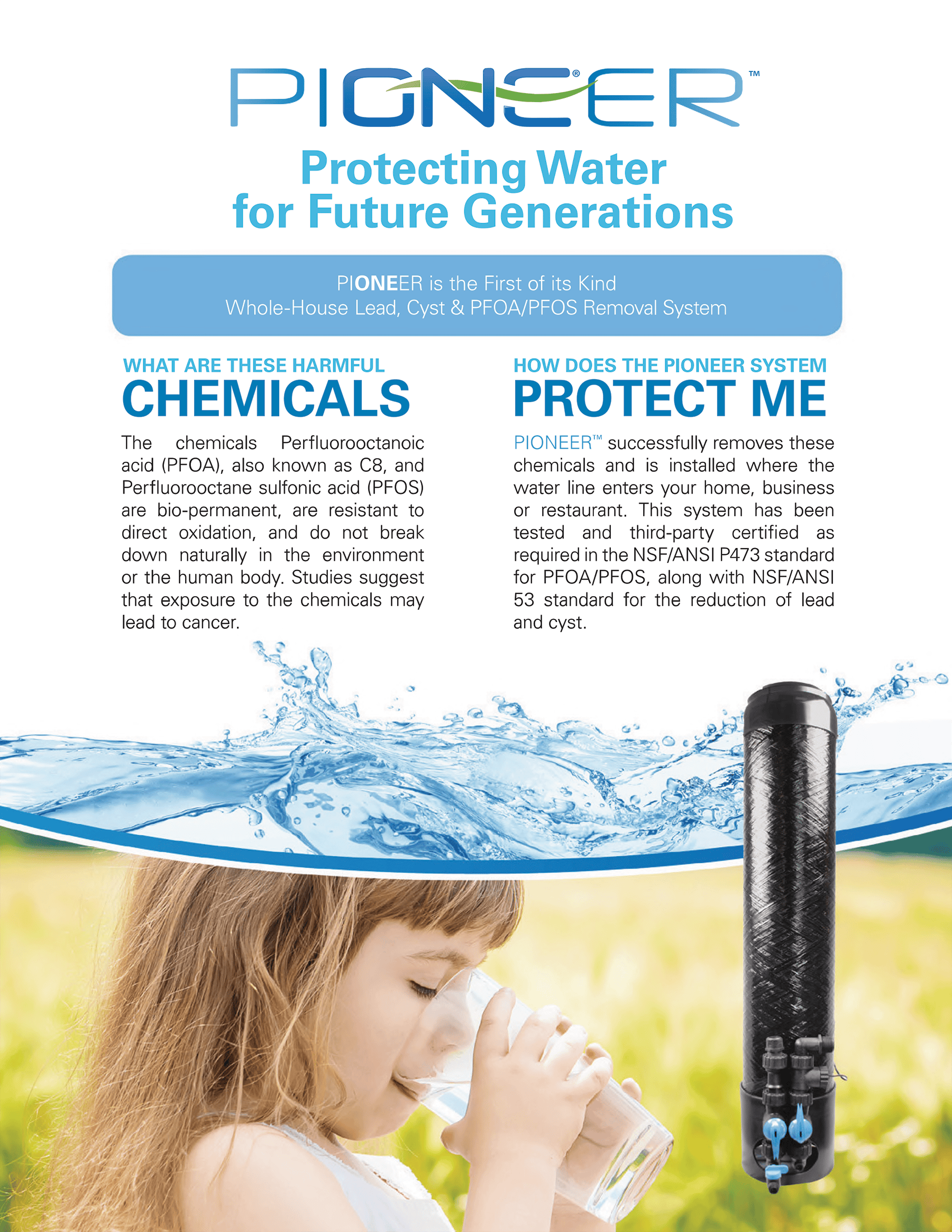
PIONEER is the First of its KIND – Whole-House Lead, Cyst & PFOA/PFOS Removal System
PIONEER™ removes lead, which is a colorless, odorless and tasteless metal. In addition to lead, the patented PIONEER filtration system significantly removes Giardia and Crypto, as well as Chlorine and Chloramine.
ALSO STOCKING

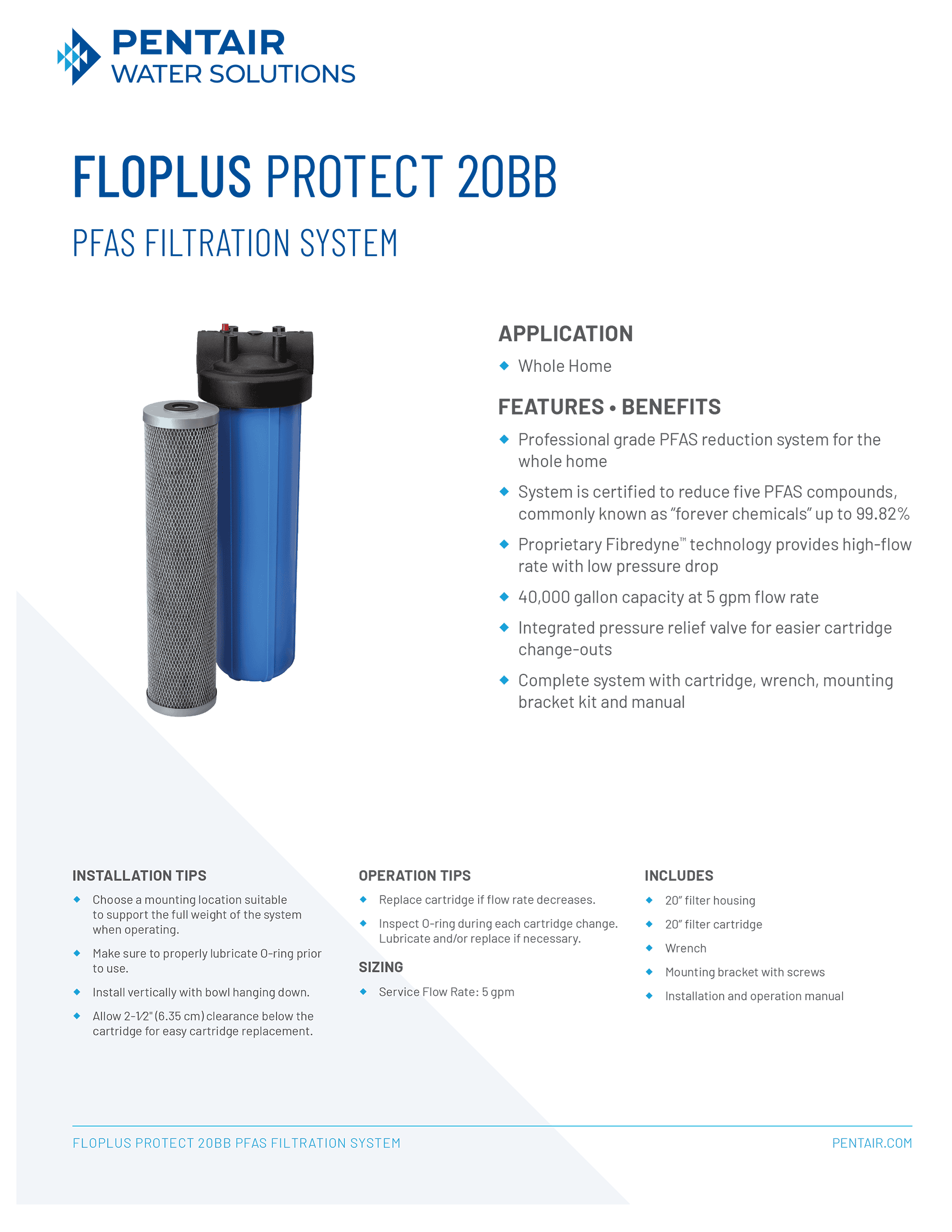
20BB PFOA/PFOS Cartridge in 20″
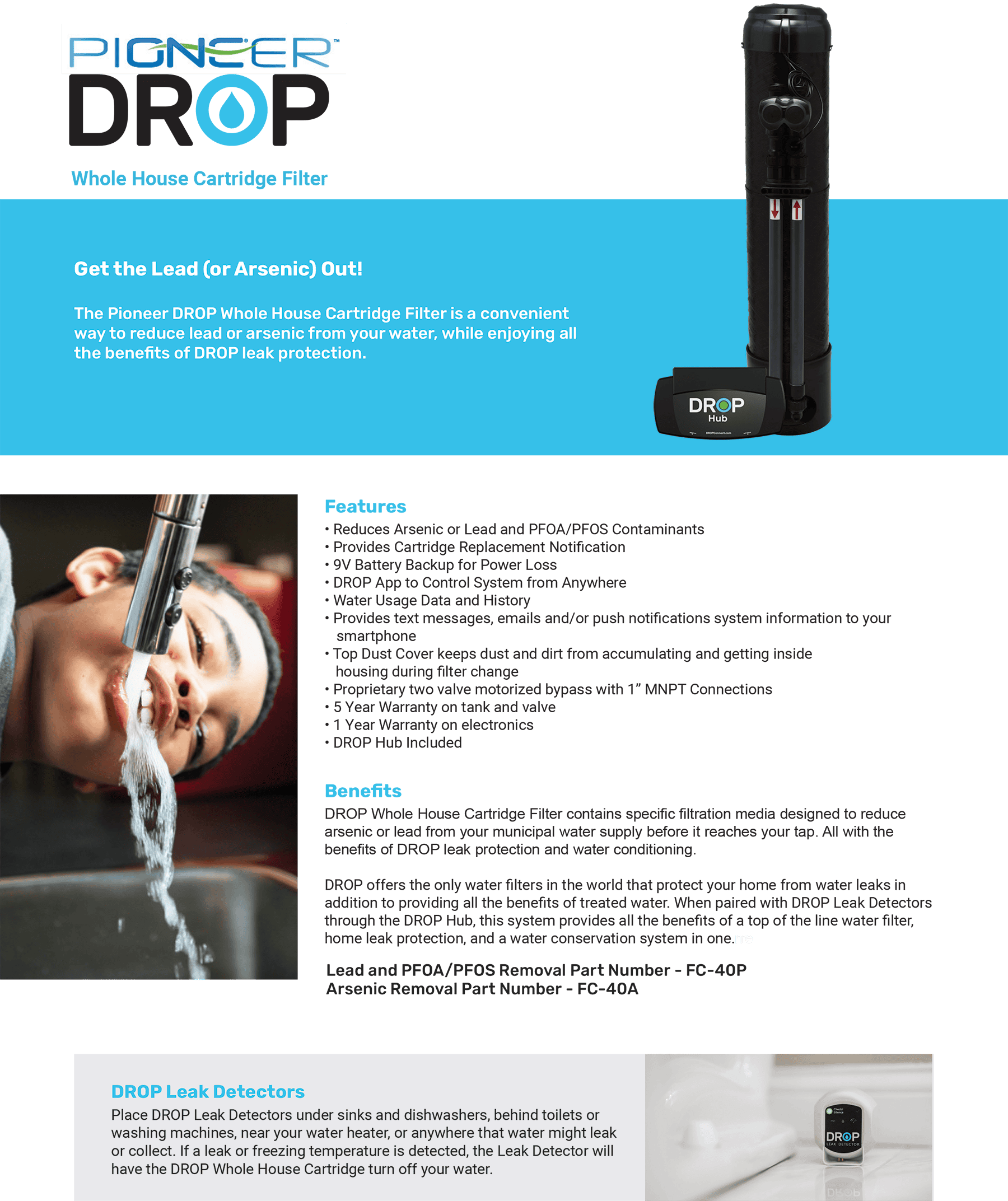
See below for links to extensive information about the Pioneer DROP and PFAs and PFOs.

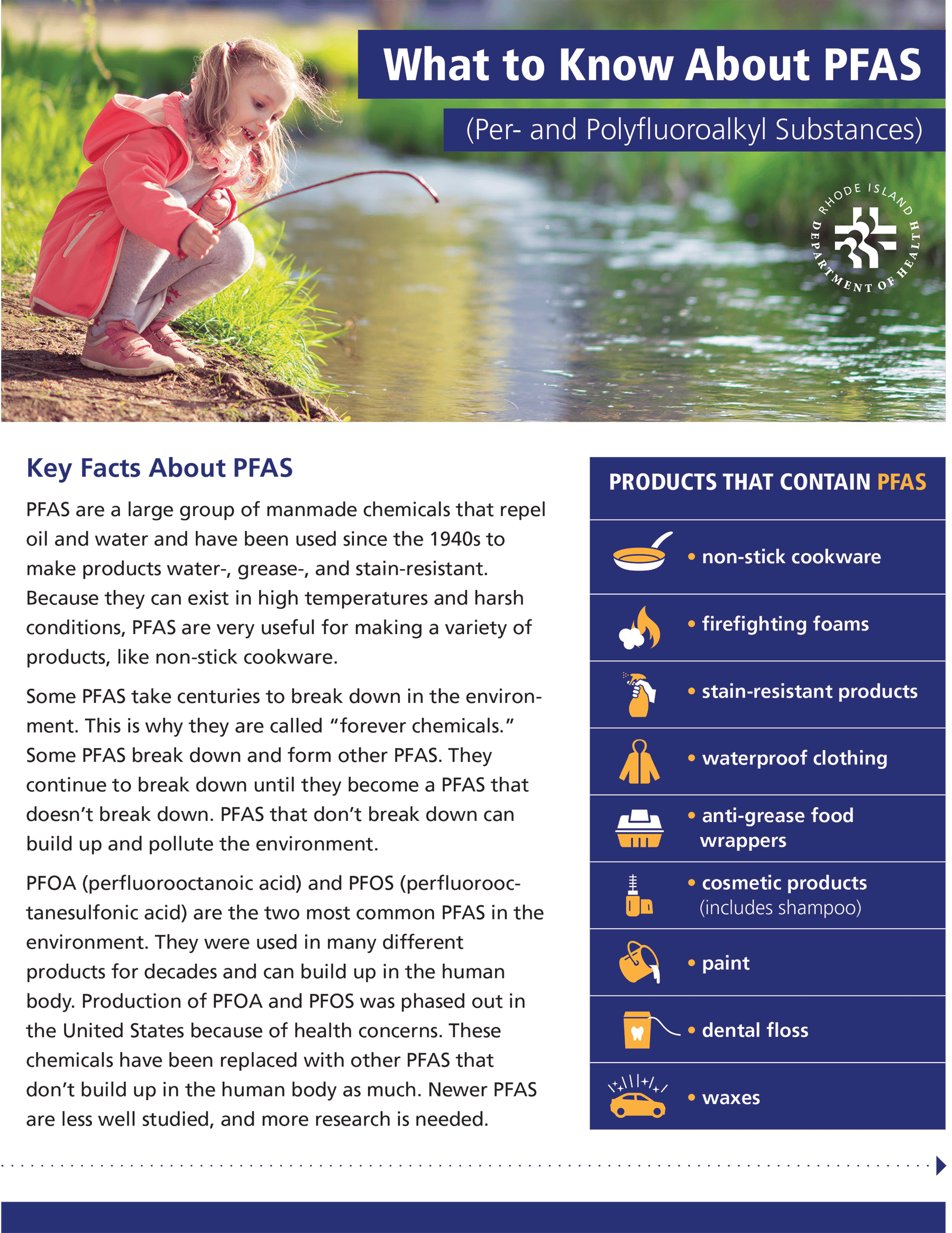
Key Facts About PFAS
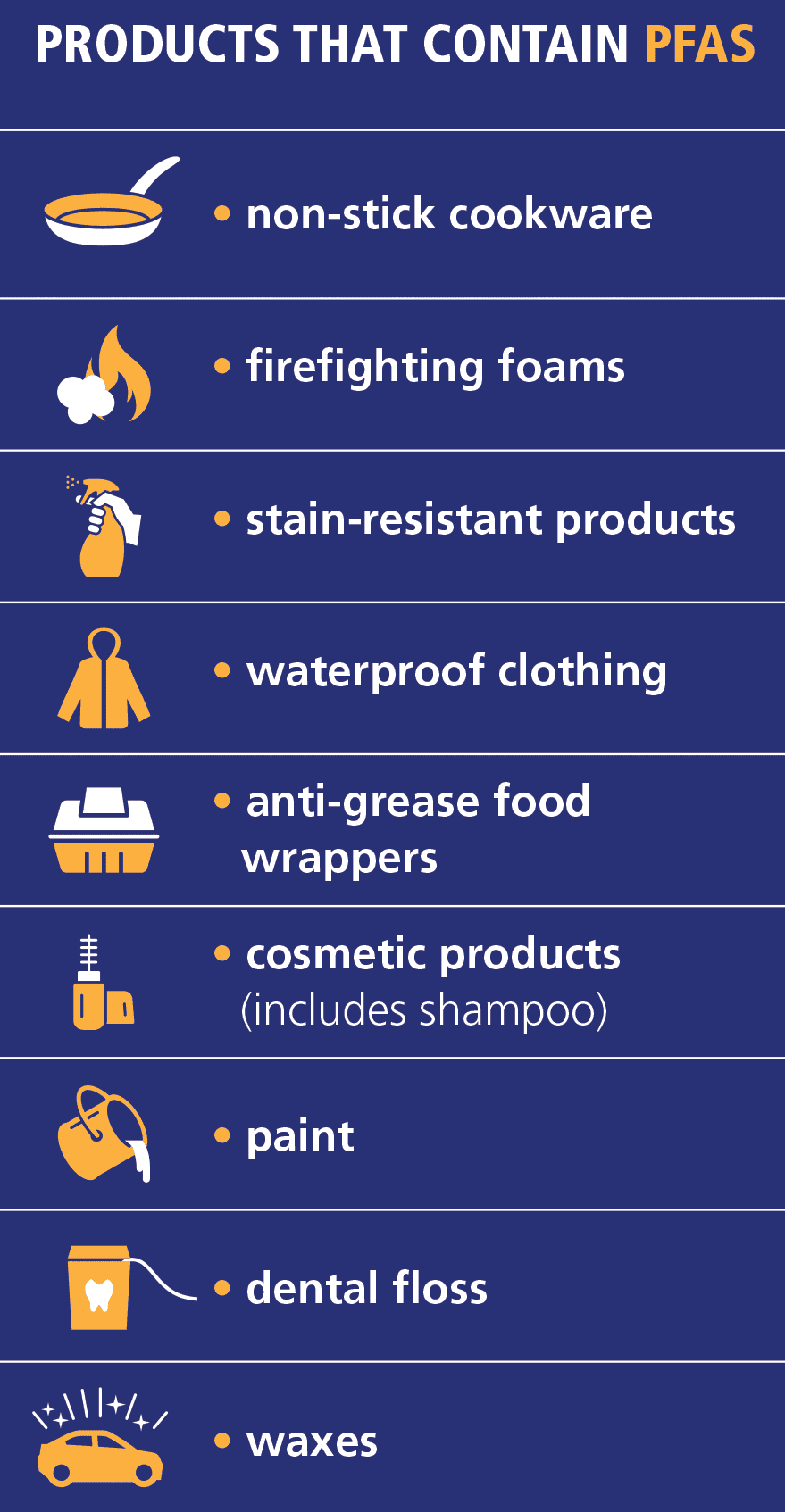
PFAS are a large group of manmade chemicals that repel oil and water and have been used since the 1940s to make products water-, grease-, and stain-resistant. Because they can exist in high temperatures and harsh conditions, PFAS are very useful for making a variety of products, like non-stick cookware.
Some PFAS take centuries to break down in the environment. This is why they are called “forever chemicals.” Some PFAS break down and form other PFAS. They continue to break down until they become a PFAS that doesn’t break down. PFAS that don’t break down can build up and pollute the environment.
PFOA (perfluorooctanoic acid) and PFOS (perfluorooctanesulfonic acid) are the two most common PFAS in the environment. They were used in many different products for decades and can build up in the human body. Production of PFOA and PFOS was phased out in the United States because of health concerns. These chemicals have been replaced with other PFAS that don’t build up in the human body as much. Newer PFAS are less well studied, and more research is needed.
What to Know About PFAS
(Per- and Polyfluoroalkyl Substances)
PFAS can enter the soil, air, and water in our environment from many sources. These include wastewater and air pollution from PFAS manufacturers and use of PFAS-containing firefighting foam. When PFAS-containing products are thrown away by people, they are burned, composted, or sent to a landfill. As the materials burn or break down, they can enter drinking water or build up in plants and animals, which people eat.
Exposure
Most exposure comes from eating or breathing. PFAS are not easily absorbed through the skin.
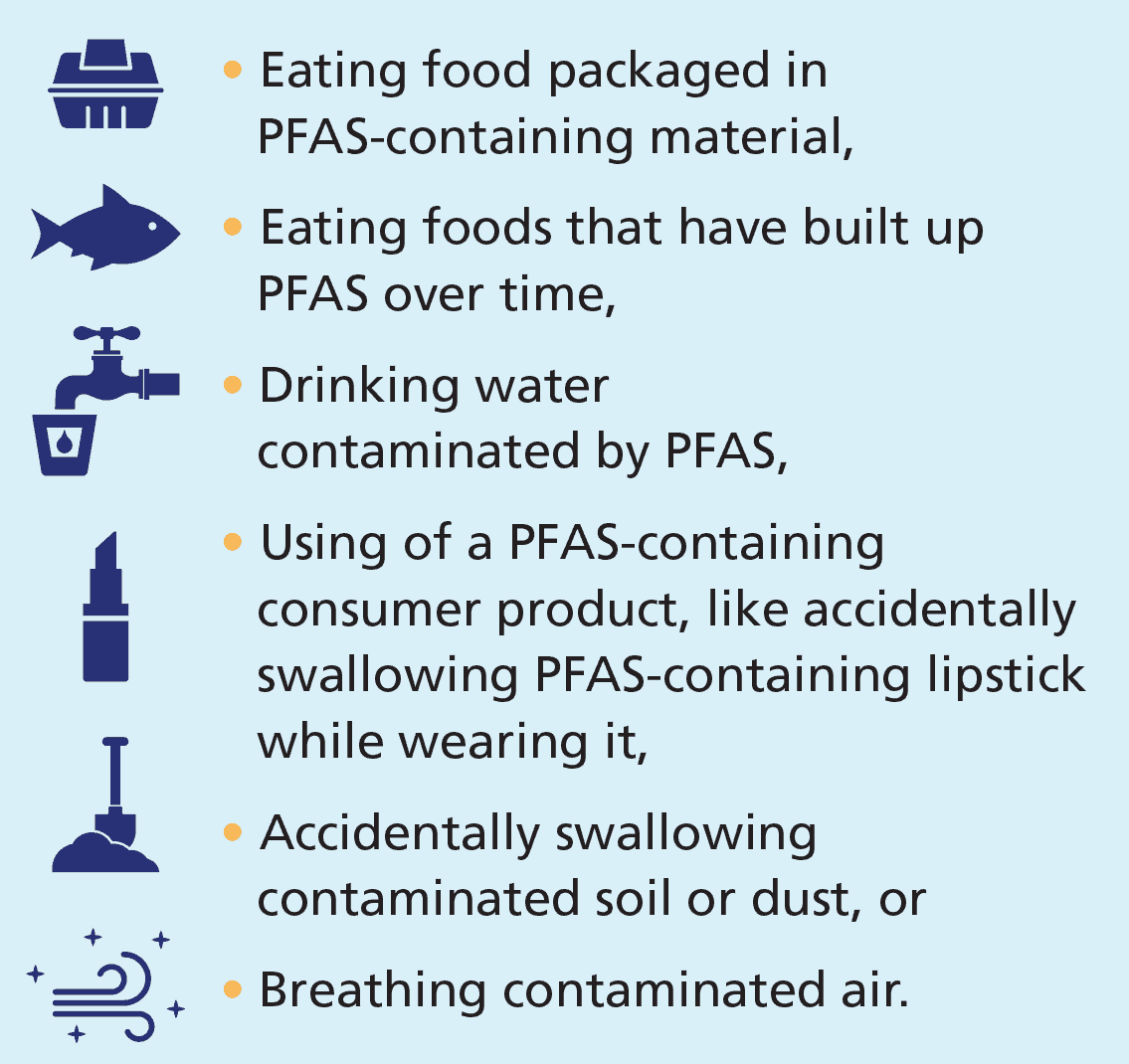
People are exposed to PFAS by:
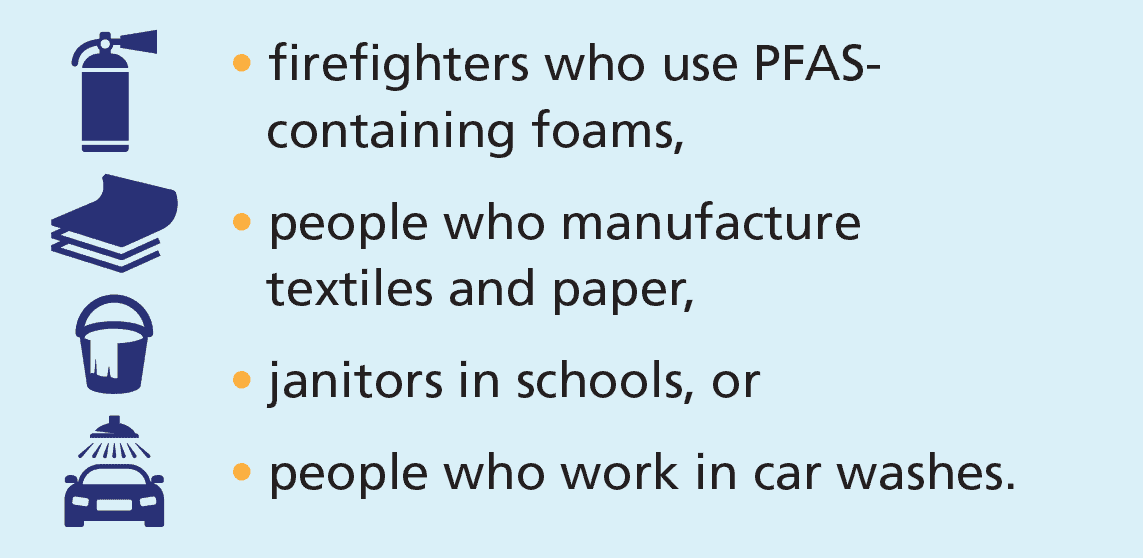
Some people may be exposed to PFAS at work. This can include: